Reading a bay before you love it
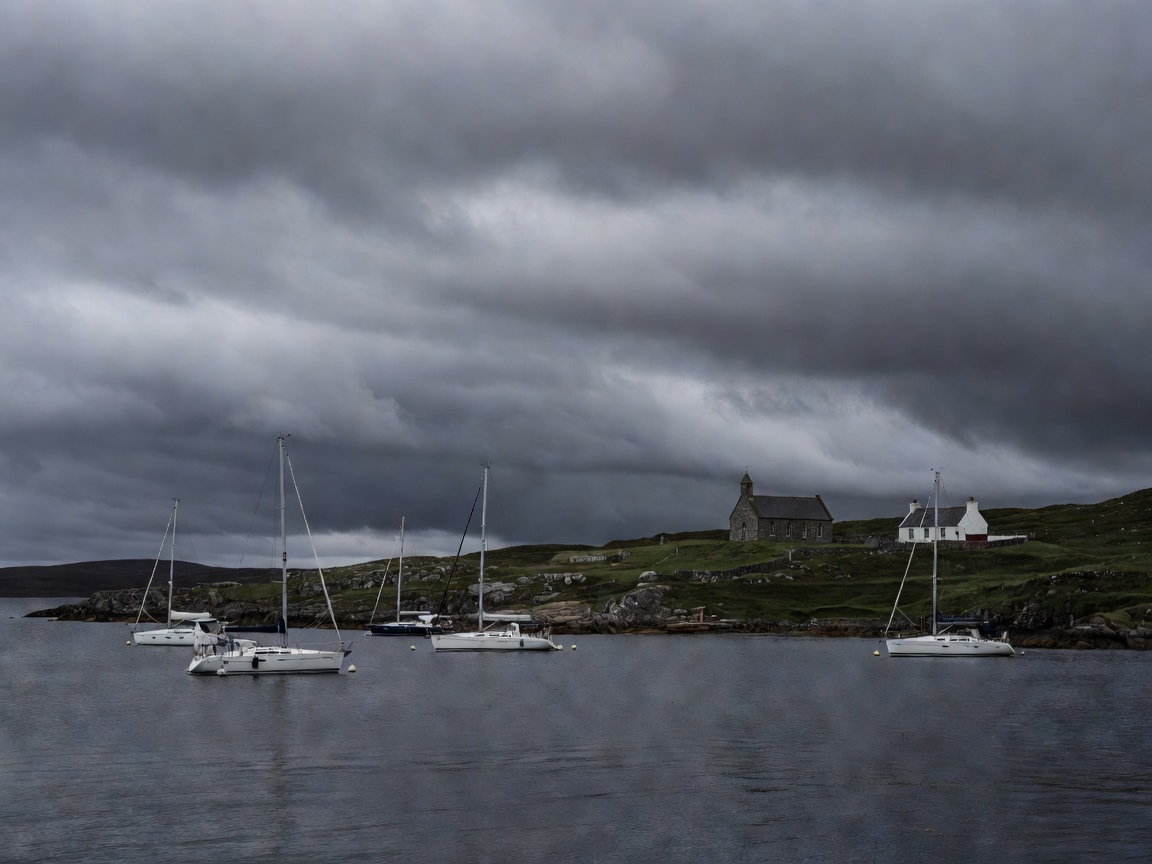
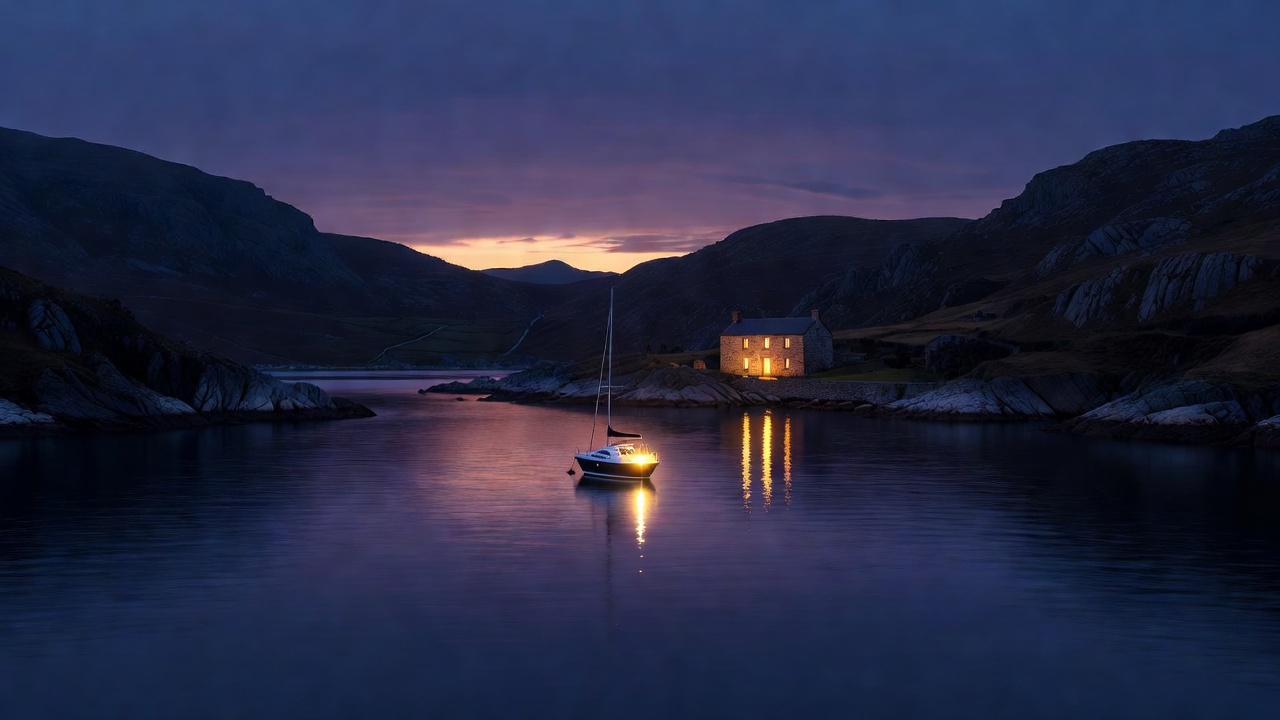
A bay that looks perfect in afternoon sunshine can become a lee shore by midnight. The first discipline of a slower day at anchor is reading the place for tomorrow's weather as well as today's. Which directions is it open to? How far can waves build across open water — the fetch — before they reach you? Does swell wrap around the headland even when the wind is offshore?
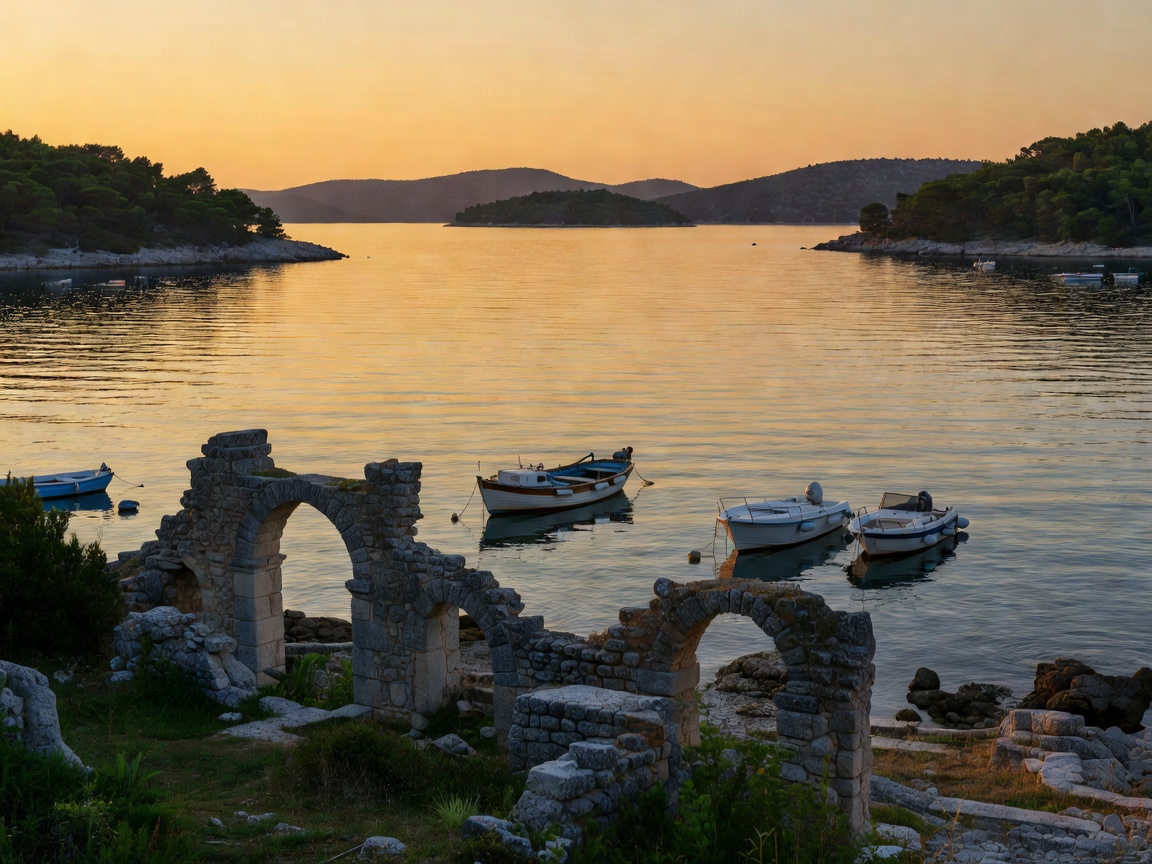
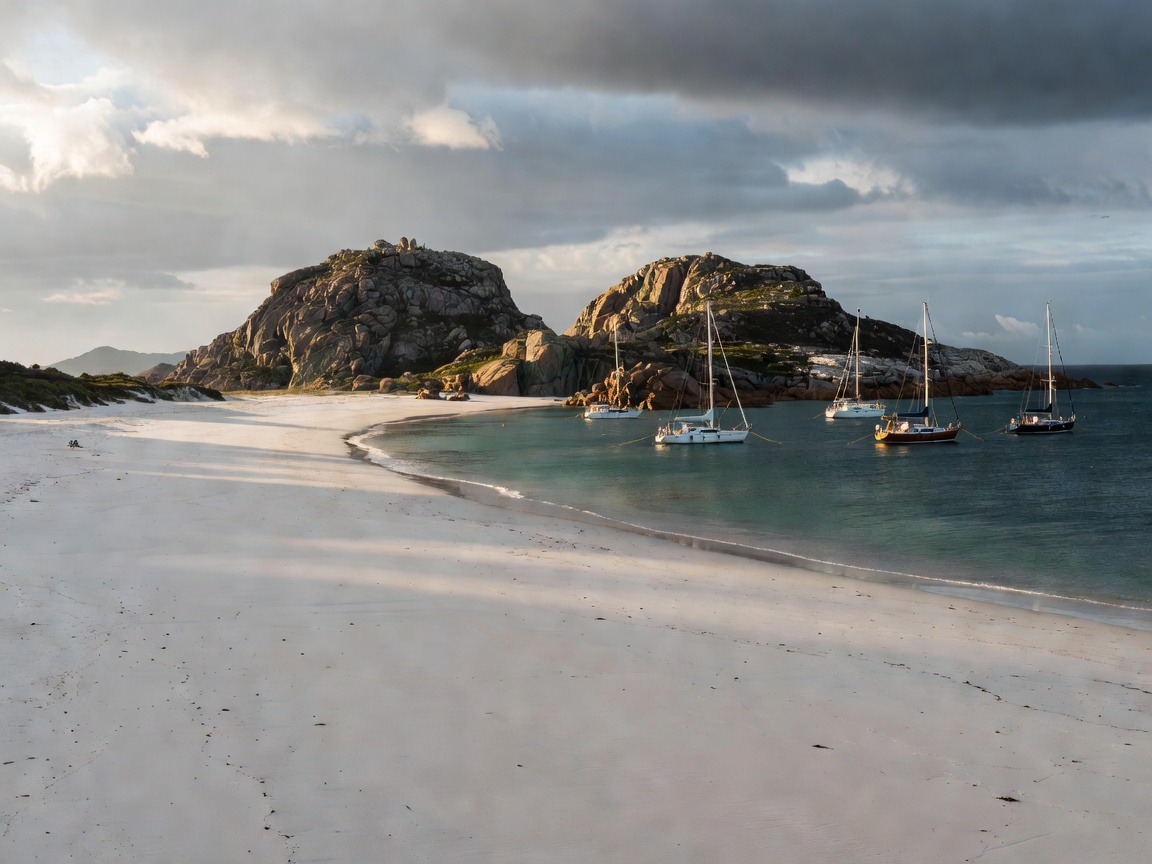
Then look down. Sand and firm mud generally hold well; weed, rock and soft silt can be unreliable. In much of the Mediterranean, seagrass meadows of Posidonia oceanica carpet the shallows. They shelter fish, stabilise sediment and clear the water, and anchoring on them is restricted or prohibited in many areas, including parts of France, Spain's Balearic Islands and several Croatian protected zones.
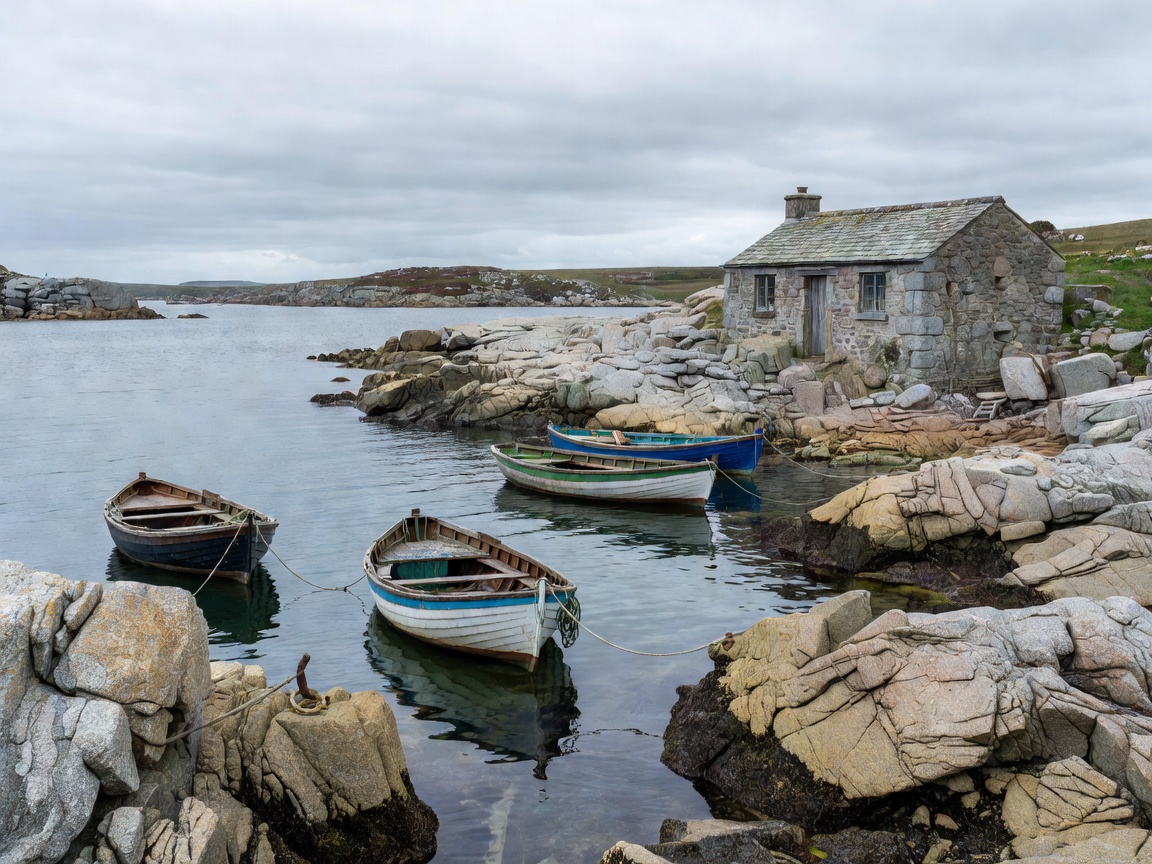
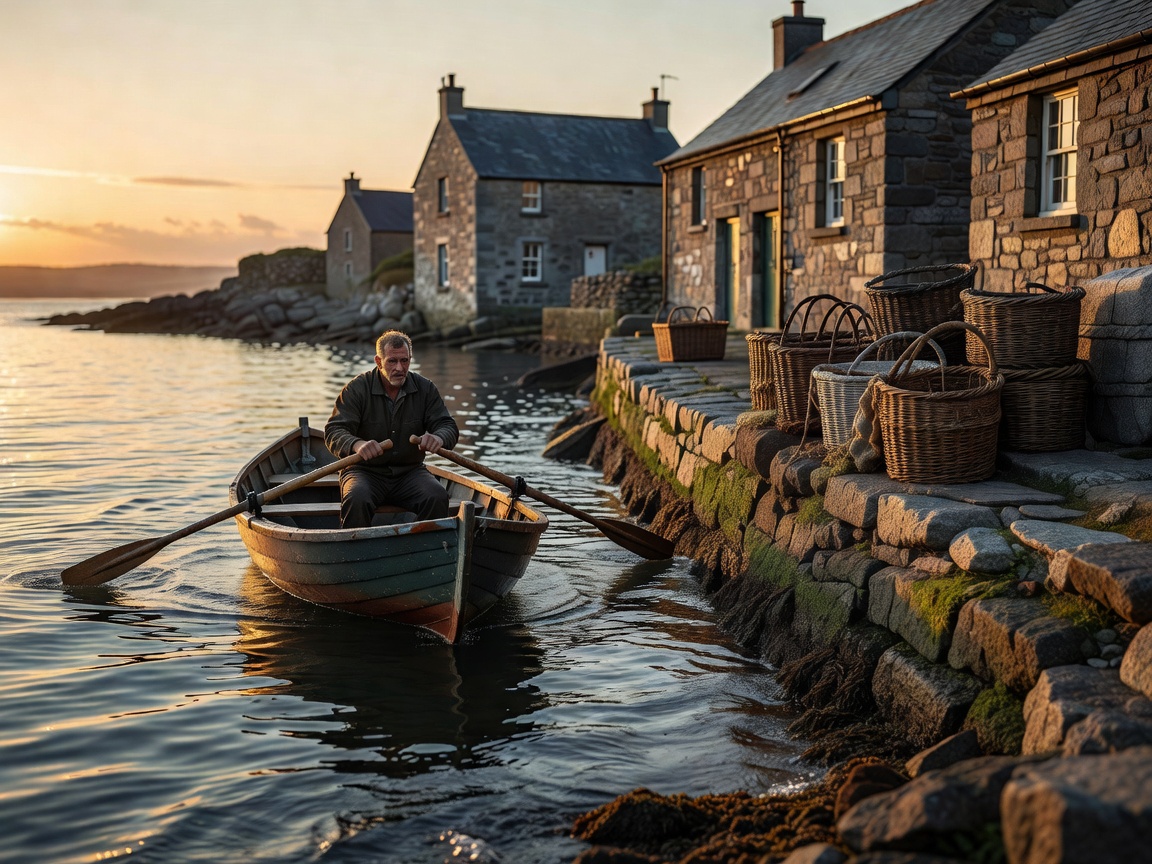
Finally, look ashore. Is there a slipway the fishermen use, a mooring field for local boats, a house whose windows face your stern? A quiet bay is usually quiet because people keep it that way.