Slower arrivals · Smaller harbours · Quieter water
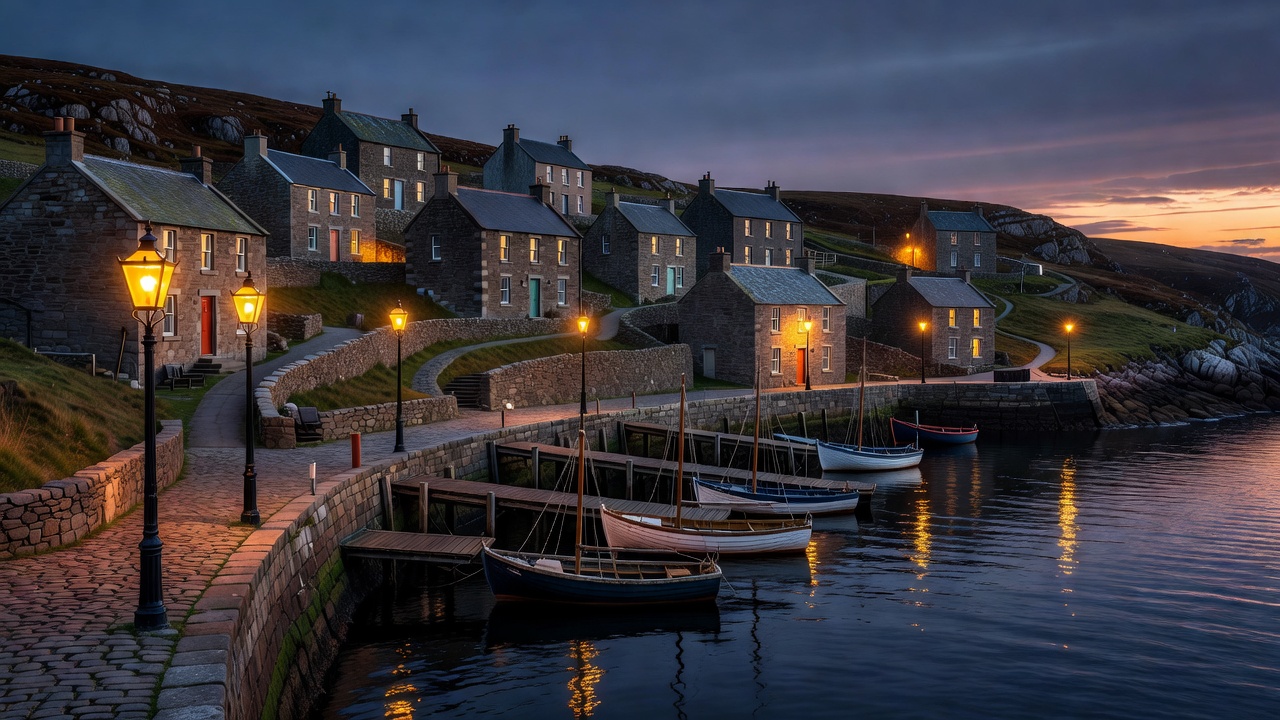
Stromness harbour in Orkney at evening, stone houses with lit windows stepping down to private piers and a few moored boats
Small Harbours

Arrive as a considerate guest

Village harbours are workplaces and lifelines first. Visiting yachts fit around them — and are often warmly received when they do.

The harbour is someone's workplace

In a small harbour, every berth has a history. That stretch of quay may be where the ferry unloads the week's groceries, where creels are stacked before dawn, or where an elderly fisherman has tied up for forty years. The pontoon for visitors, if there is one, was usually added later and is maintained by a community trust, a municipality or a handful of volunteers.

Understanding that order of priority changes how you arrive. It is why you call ahead, why you wait patiently when a fishing boat needs to come alongside, and why paying harbour dues promptly matters more here than in a large marina. In many island harbours those dues fund the very facilities you are using.

The reward is real. Small harbours often become the heart of a trip: the place where you learn about the island's history, hear about a ceilidh or a saint's day, and leave with a recommendation you would never have found online.
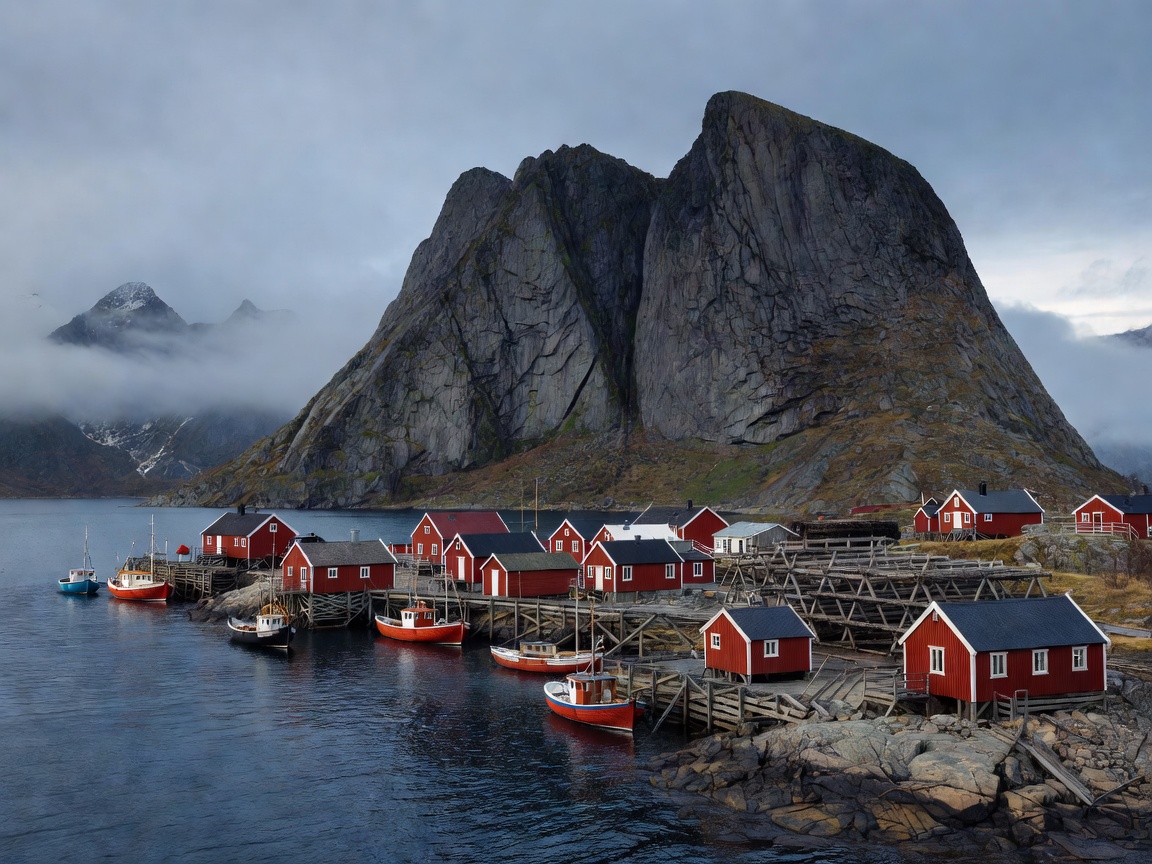
Red rorbu cabins and drying racks around the fishing harbour of Reine in Lofoten beneath dark granite peaks
Reine in Lofoten, where cod-drying racks still define the waterfront.

Harbour portraits

Communities with distinct character, each with its own way of welcoming visitors.

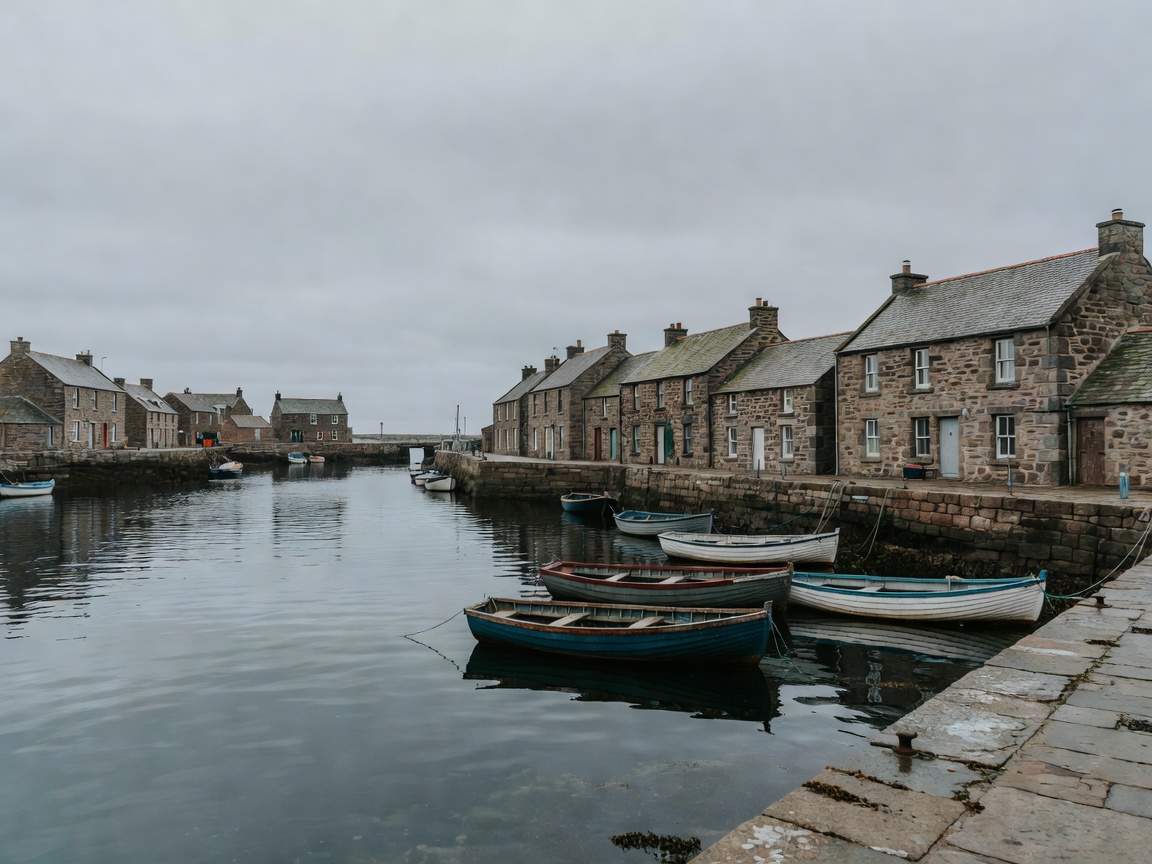
Stromness waterfront in grey light with a ferry approaching and small boats in the marinaOrkney

Stromness, Scotland

Stromness

A stone town of flagged streets and private piers, historically a last port of call for Hudson's Bay Company ships. Today it has a marina, a ferry link to Scrabster and a lively arts scene. Tides in Hoy Sound are strong; time your arrival.

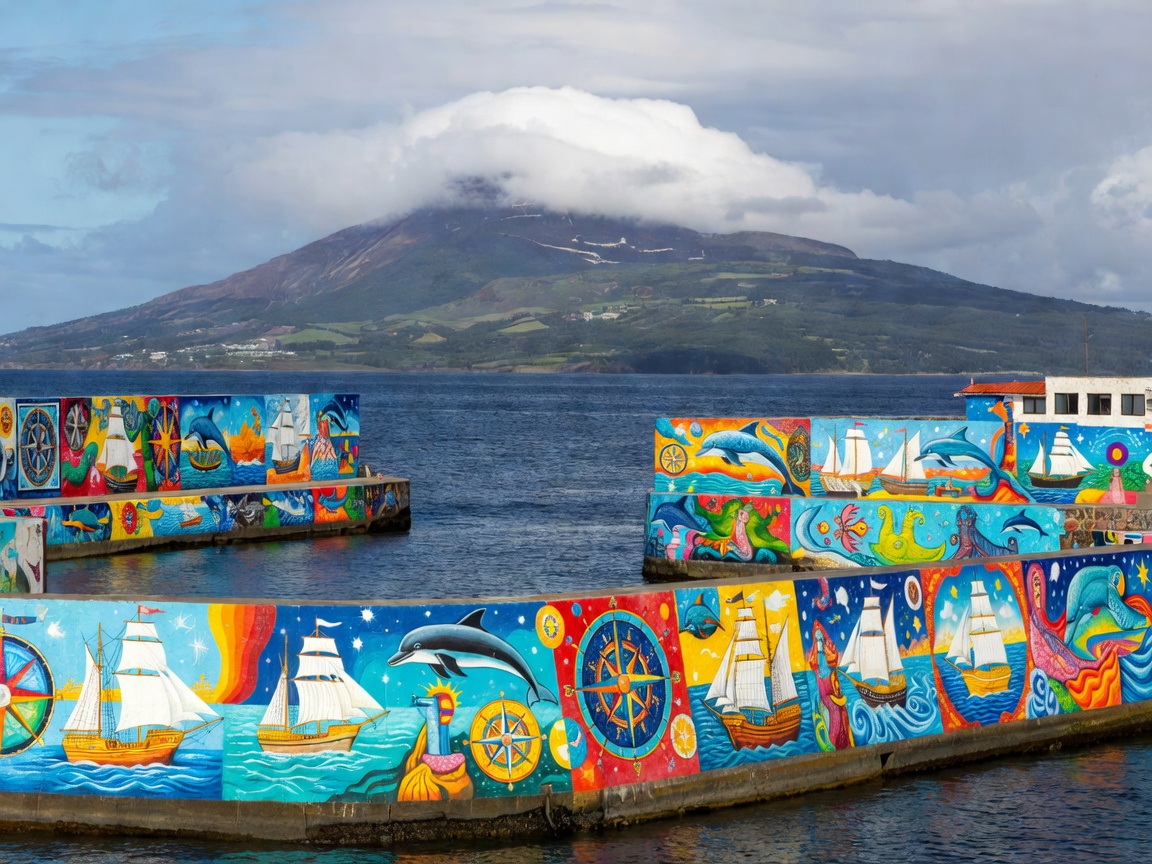
Colourful crew paintings covering the harbour walls of Horta marina on Faial, with Mount Pico in cloud across the channelAzores

Horta, Portugal

Horta

Ocean crossers have long painted their boat's name on Horta's walls, and Peter Café Sport remains a sailors' meeting point. Busy in early summer with transatlantic traffic, it is a harbour that knows yachts — yet still feels like a town.

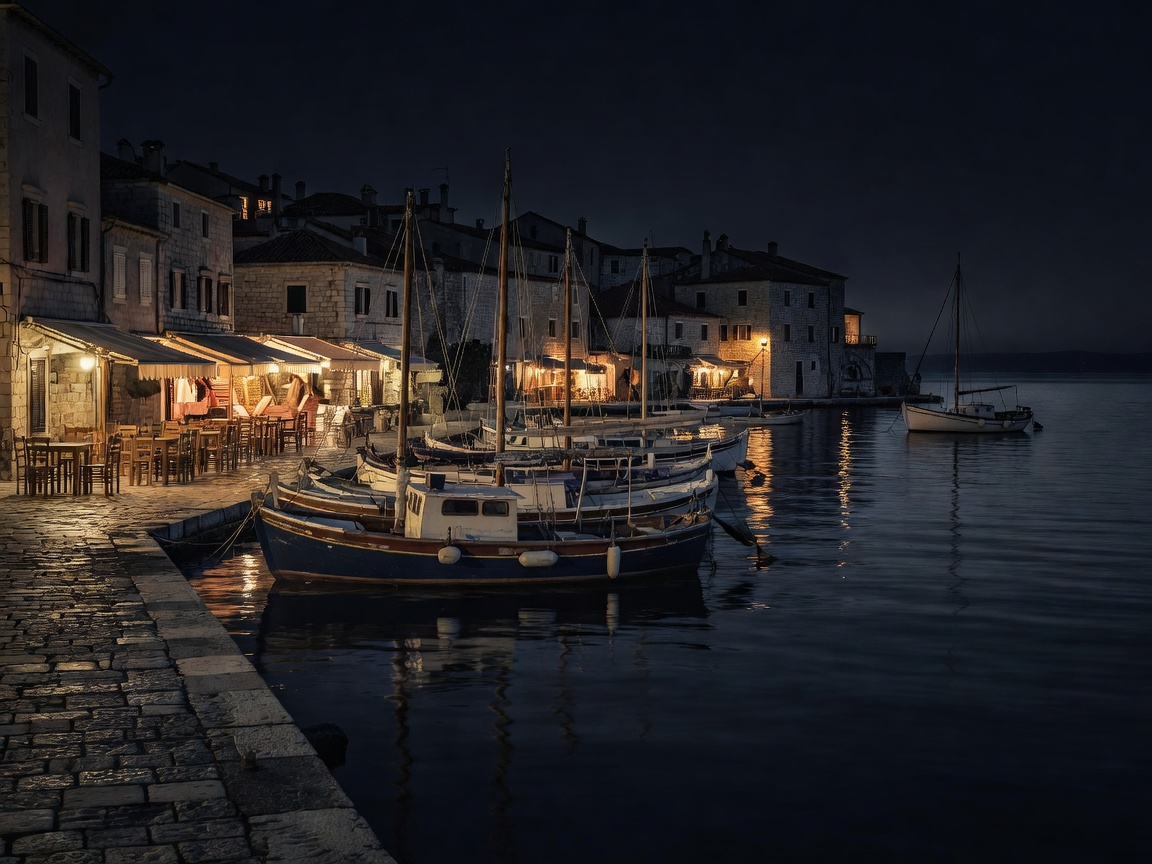
Komiža waterfront at night with lamplit cafés and wooden fishing boats along the quayAdriatic

Komiža, Croatia

Komiža

A fishing town on Vis whose heritage includes the falkuša, a traditional lateen-rigged boat. The harbour is open to the west and can be uncomfortable in some winds. Arrive with humility; the fishing community defines this place.

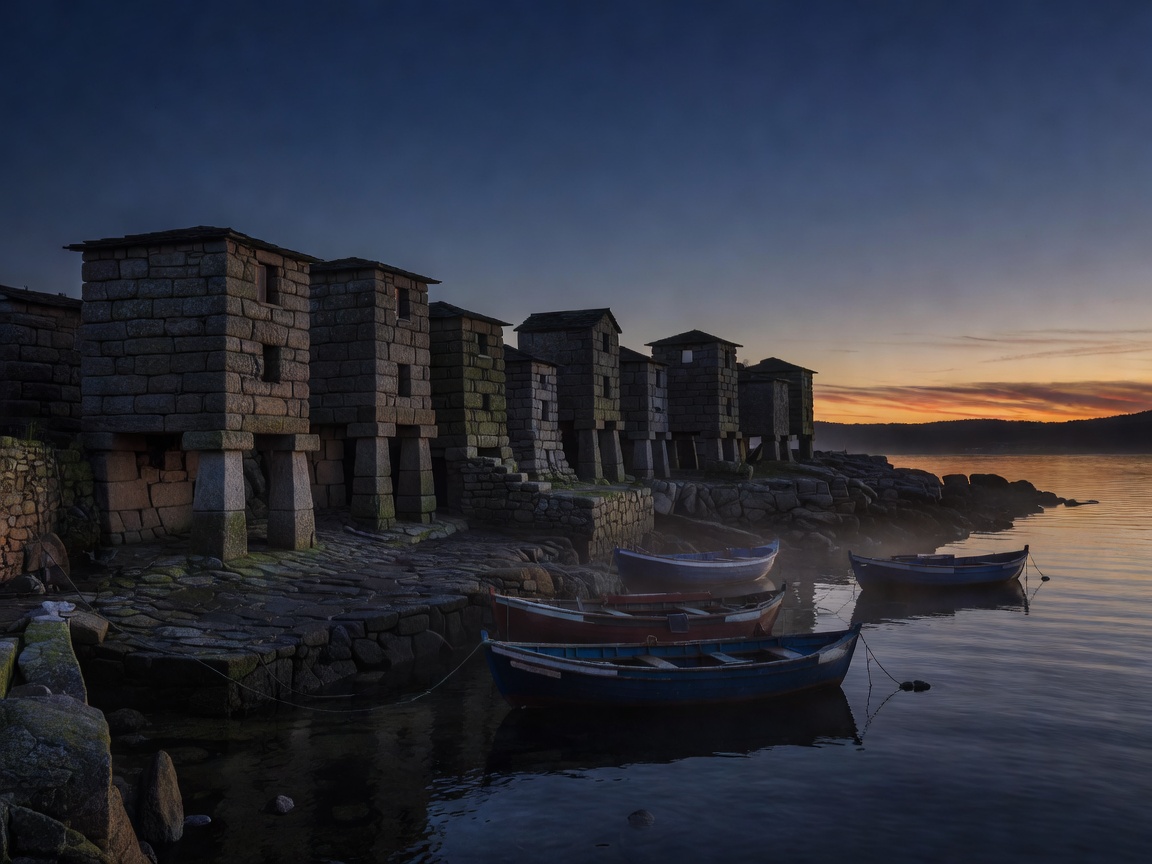
Stone hórreo granaries lining the shore at Combarro in Galicia at dusk, with small boats on mooringsGalicia

Combarro, Spain

Combarro

Granite hórreos — raised granaries — line the shore of the Ría de Pontevedra beside stone crosses and narrow lanes. The village is popular with day visitors; arriving by water in the evening shows it at its most settled.

Mariehamn's west harbour in Åland at dusk with a historic four-masted barque and small yachts nearbyBaltic

Mariehamn, Åland

Mariehamn

Capital of the autonomous, Swedish-speaking Åland Islands and home to the museum ship Pommern. It is a practical provisioning stop before heading into the outer archipelago, where guest harbours are small and seasonal.

The harbour of Vágur on Suðuroy in the Faroe Islands under brooding cloud, with trawlers alongsideFaroes

Suðuroy, Faroe Islands

Vágur and Tvøroyri

The southernmost Faroese island has working harbours shaped by fishing and old trading stations. Facilities for yachts are modest; locals are helpful when approached politely and in good time.

Provisioning in small communities

Island shops order stock for residents, often weekly and sometimes by ferry that can be cancelled in bad weather. If a cruising crew empties the shelves of milk and bread, families may go without until the next delivery.

The answer is not to avoid local shops — they depend on summer trade — but to plan: carry long-life staples from mainland supermarkets, then buy fresh local produce, fish, bakery goods and crafts in sensible amounts. Ask what is local and in season.

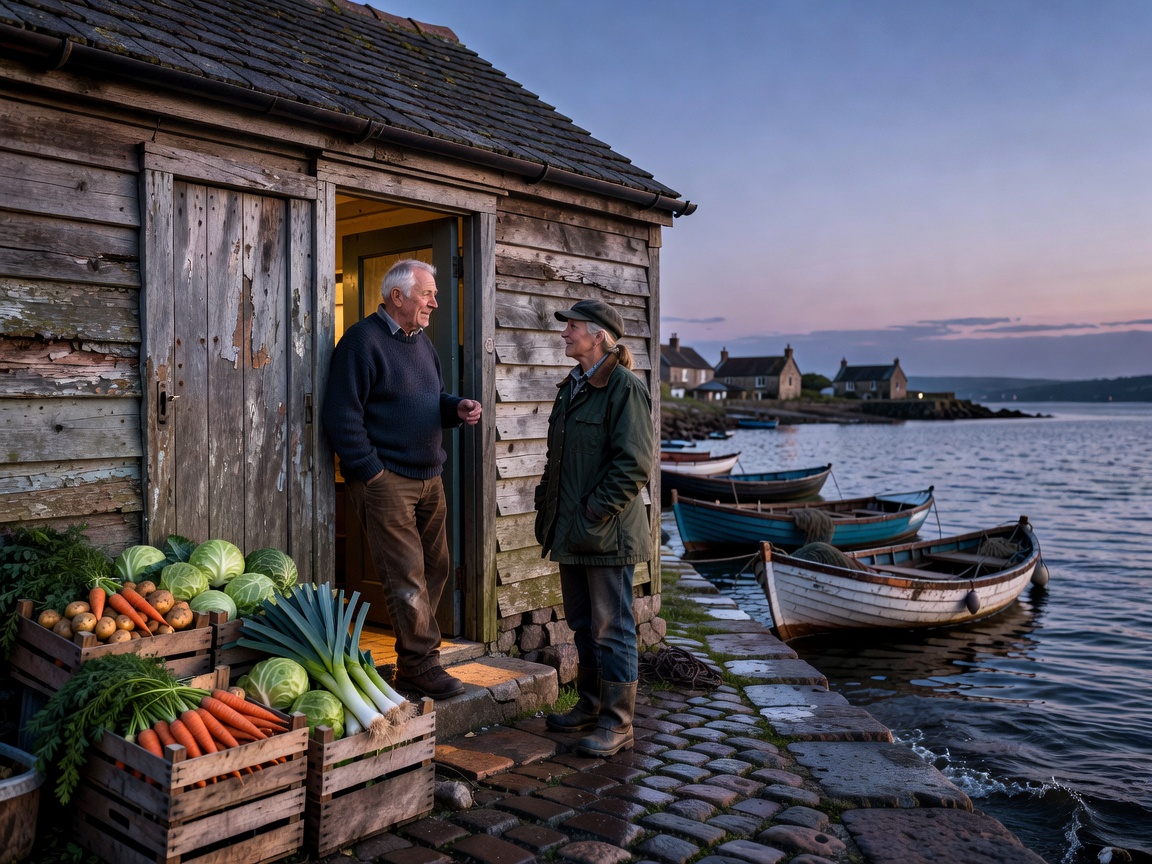
A small island store by the quay at dusk with vegetable crates and a resident chatting at the door
Buy local and fresh, but leave enough for the island.

Editorial guide only. Harbour facilities, fees and contact procedures change; consult current pilot books, harbour authorities and local notices.