Slower arrivals · Smaller harbours · Quieter water
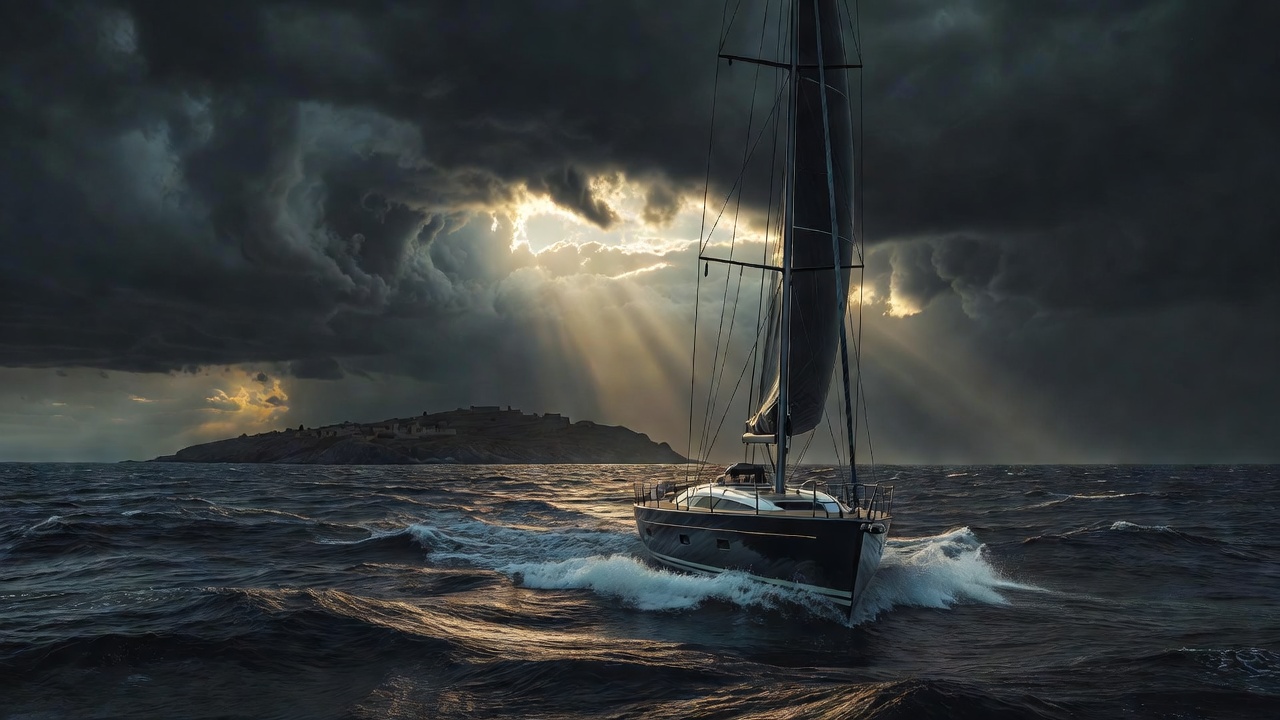
A yacht under reefed sail approaching a distant inhabited island through dark water, with shafts of light breaking beneath a squall
Sailing Routes

Let the crossing shape the trip

Passages are more than distances between harbours. Tide, light and landmarks turn them into the moments a voyage is remembered for.

Why the passage matters

On a quieter cruise, the day's sail is rarely just transit. The approach to an island — its silhouette rising, a lighthouse blinking at dusk, a village slowly resolving into houses and a church — is often the most vivid part of the visit. Planning routes around that experience, rather than around the shortest line, is one of the pleasures of slower sailing.

Scenic passages also tend to be demanding. Narrow sounds concentrate tide; headlands accelerate wind; open crossings expose a boat to swell that the forecast may underplay. The beauty and the difficulty usually come from the same geography.

That is why we describe passages by character and consideration, not by courses and waypoints. Use the comparisons below to decide which waters suit your crew, then plan in detail with official charts, tidal atlases and current pilot books.

A lighthouse on a dark rocky point in the Sound of Mull at dusk, with a yacht passing under sail and Duart Castle in the distance
Dusk in the Sound of Mull, a channel of castles, ferries and changing wind.

Passage comparison rows

A qualitative comparison to support early planning. It does not replace pilotage sources.

PassageCharacterMain considerationBest seasonSuits
Sound of Mull, ScotlandSheltered channel between Mull and Morvern, leading to Tobermory and Ardnamurchan PointWind funnelling, tidal streams, ferry trafficMay–SeptemberExperienced coastal crews
Gulf of Corryvreckan, ScotlandNotorious tidal race between Jura and ScarbaConsidered very dangerous; most crews route around it entirelyOnly with expert local knowledgeViewing from a distance
Pentland Firth, ScotlandGateway between mainland Scotland and OrkneyAmong the strongest tidal streams in UK waters; overfallsSettled summer weatherHighly experienced crews
Chenal du Four & Raz de Sein, FranceRocky inshore routes around western BrittanyStrict tidal gates; fog; commercial shipping nearbyJune–SeptemberConfident tidal navigators
Vestfjorden to Lofoten, NorwayOpen crossing towards a wall of granite peaksExposure, sudden wind shifts; Moskstraumen near the southern tipJune–AugustOffshore-ready crews
Faial–Pico channel, AzoresShort crossing beneath Portugal's highest mountainAcceleration zones and Atlantic swellMay–SeptemberOffshore-ready crews
Stockholm archipelago inner routes, SwedenWinding, island-studded channelsRocks close to marked routes; ferry washJune–AugustCareful coastal navigators
Kornati islands, CroatiaBare, stark limestone archipelagoNational park fees and zones; bora windsMay–June, SeptemberIntermediate crews

Planning a crossing with care

Good passage planning on remote coasts begins well before departure. Tidal gates — the windows when a sound or headland can be passed safely — often dictate when you leave far more than wind. Missing a gate can mean hours of foul tide, or wind against tide conditions that turn a pleasant channel into breaking seas.

Weather windows matter just as much. On exposed routes, look for a period of settled conditions longer than the passage itself, with a safe alternative if conditions deteriorate. Remote islands rarely offer rescue services or repairs within easy reach.

Above all, accept that some passages wait for another year. Turning back is part of seamanship, and the island will still be there.

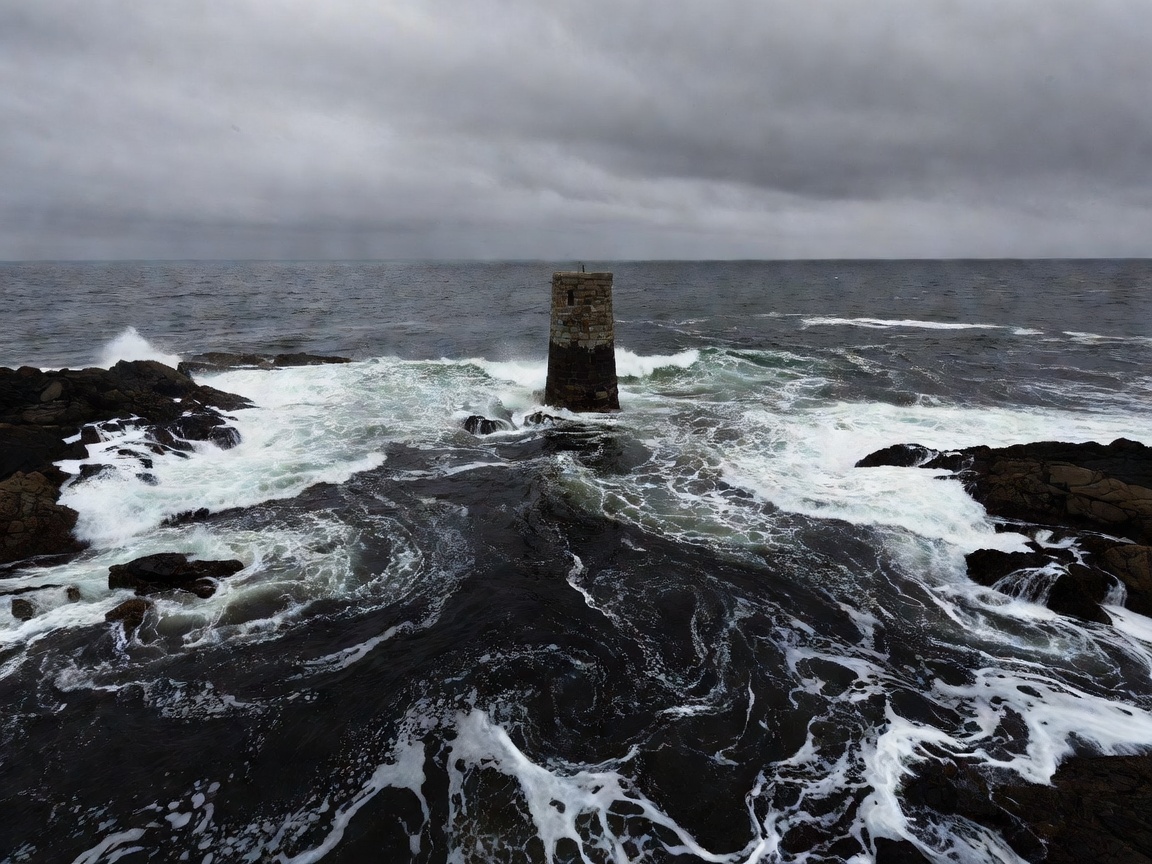
Swirling tidal water around dark rocks and a stone beacon in the Chenal du Four off Brittany, under a heavy grey sky
Tidal water around the rocks of western Brittany: beauty and difficulty from the same geography.

Editorial guide only. Nothing on this page is pilotage information or a recommendation to undertake any passage. Always plan with current official charts, almanacs, pilot books and local advice.