Slower arrivals · Smaller harbours · Quieter water
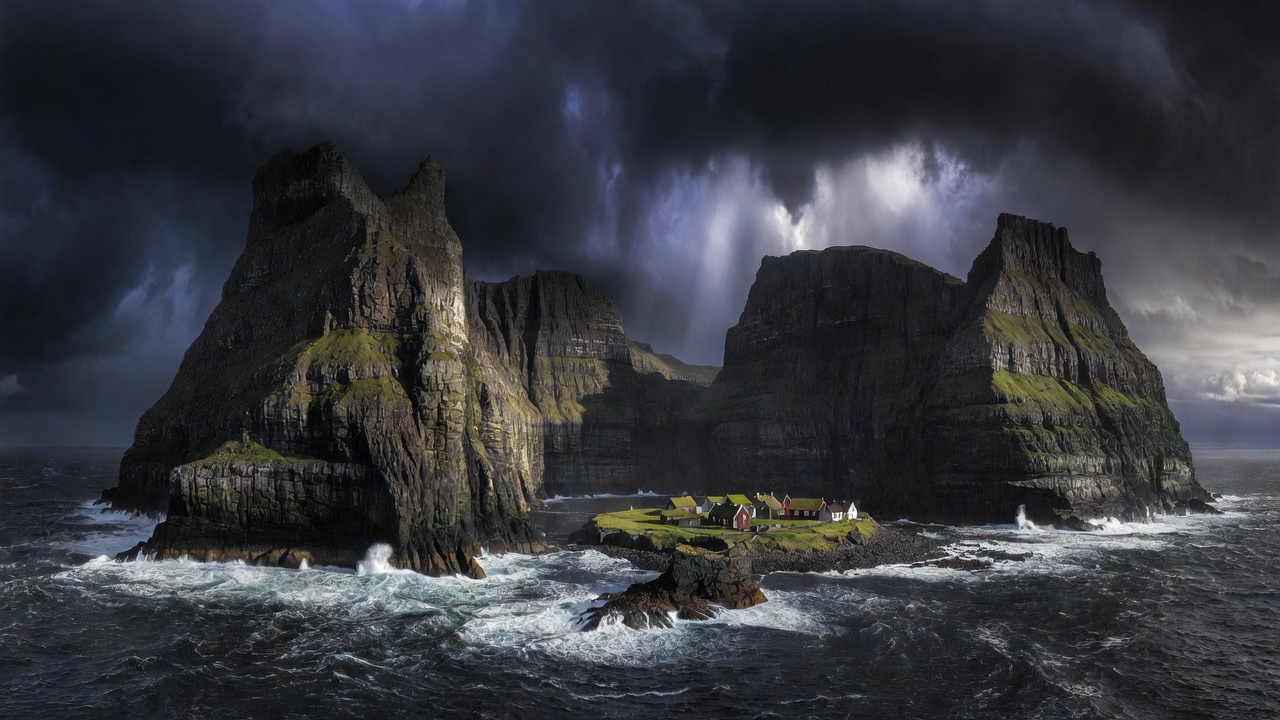
Dark sea cliffs of the Faroe Islands under storm light, with a village visible at the head of a fjord
Quiet Islands

Look past the headline islands

Islands where distance, weather and community shape the visit — and where a considerate arrival matters more than a fast one.

What makes an island quietly rewarding

Famous islands are famous for good reasons, but they also concentrate boats, noise and pressure on a handful of harbours. Look one island further — past the ferry hub, beyond the charter base — and the experience changes. Shops close for lunch. The pier belongs to the lobster boats. Someone asks where you have sailed from, and actually waits for the answer.

That character comes from the people who live there year-round. Island populations are often small and ageing, services fragile, and the summer season a crucial but complicated source of income. A visiting yacht can be a welcome customer or an extra strain, depending largely on how its crew behaves.

The islands below are not secrets. They are simply less crowded than the obvious alternatives, and each rewards sailors who take time to understand them.
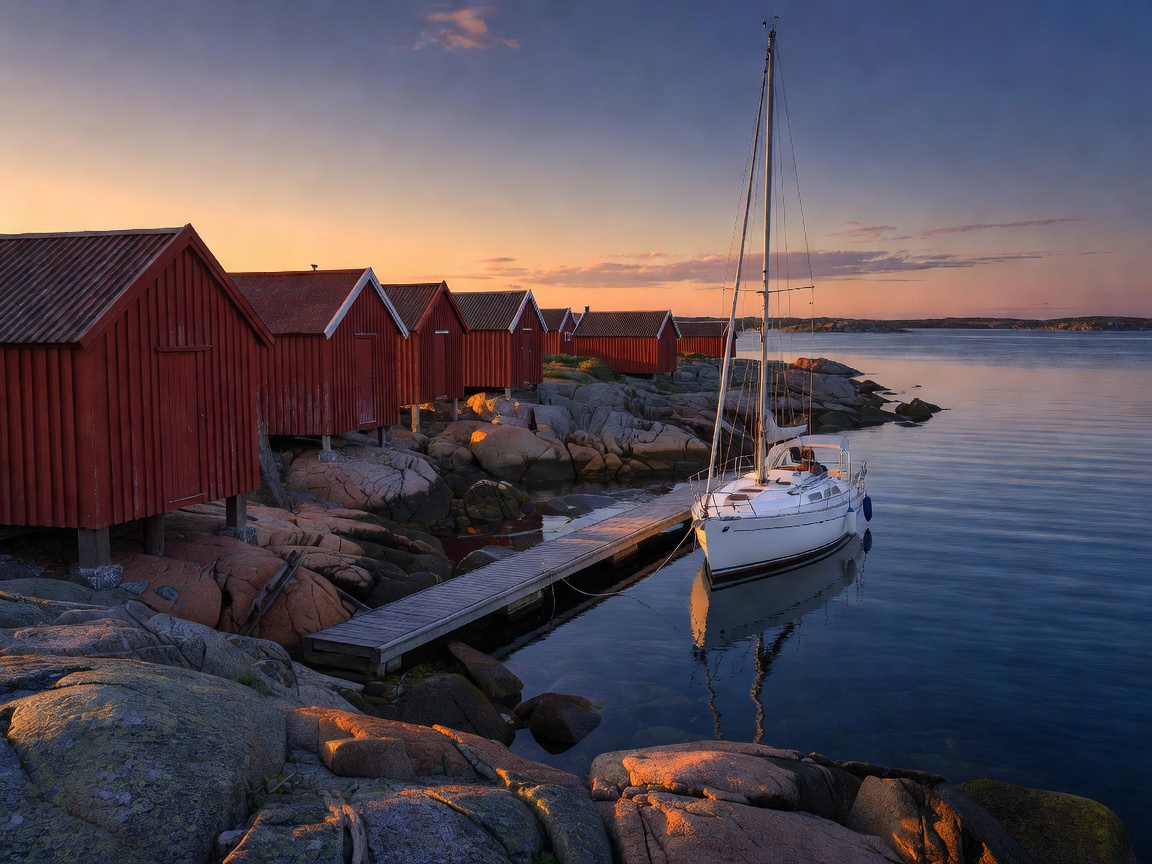
Red wooden boathouses on granite rocks in the Åland archipelago at dusk, with a small yacht moored to a jetty
Red boathouses in Åland, where islands number in the thousands but communities remain close-knit.

Place summaries

Short portraits to help you shortlist. Always consult current pilotage sources before planning a visit.

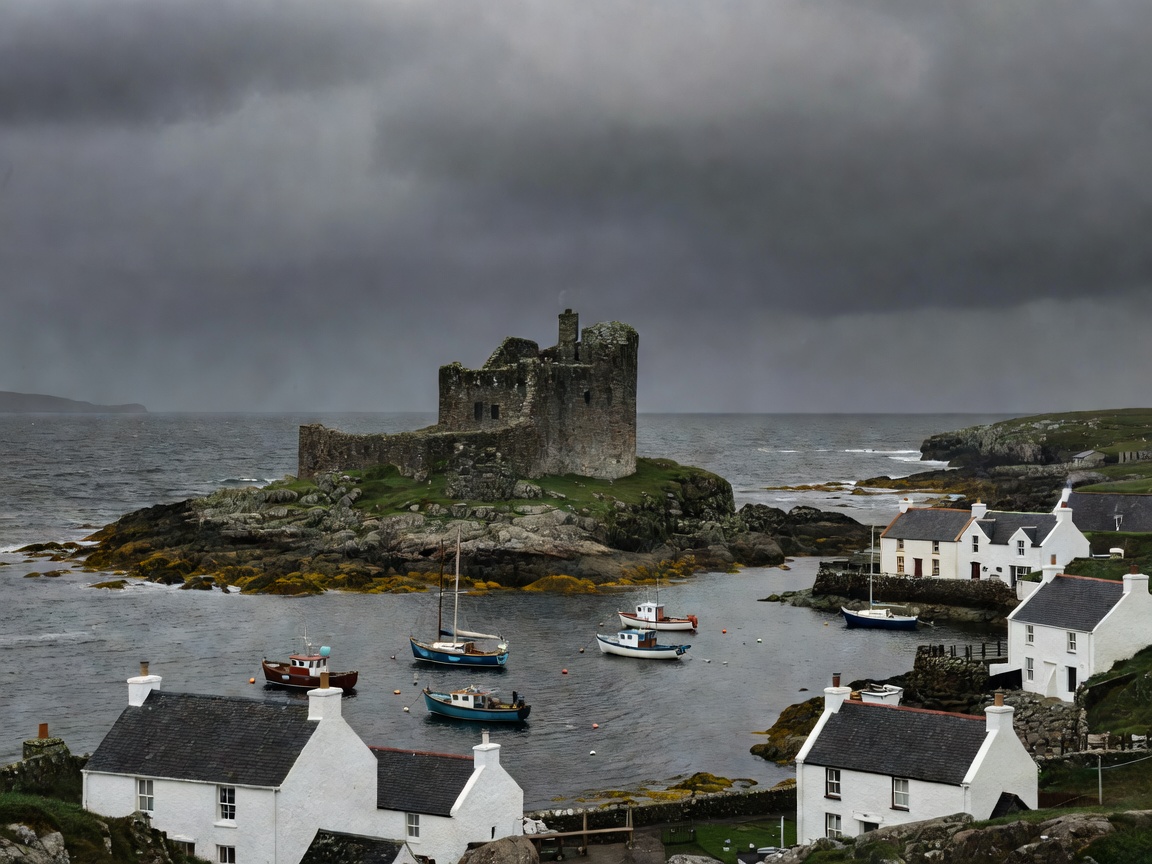
Kisimul Castle in Castlebay, Barra, beneath dark clouds with the village behindOuter Hebrides

Barra, Scotland

Barra

Castlebay curves around Kisimul Castle, seat of the MacNeils. Gaelic is still heard in the shop and the church. The island's tiny airport lands on the beach at Tràigh Mhòr when the tide allows — a reminder that timetables here bend to nature. Supplies arrive by ferry from Oban, so stock up beforehand and buy fresh produce modestly.

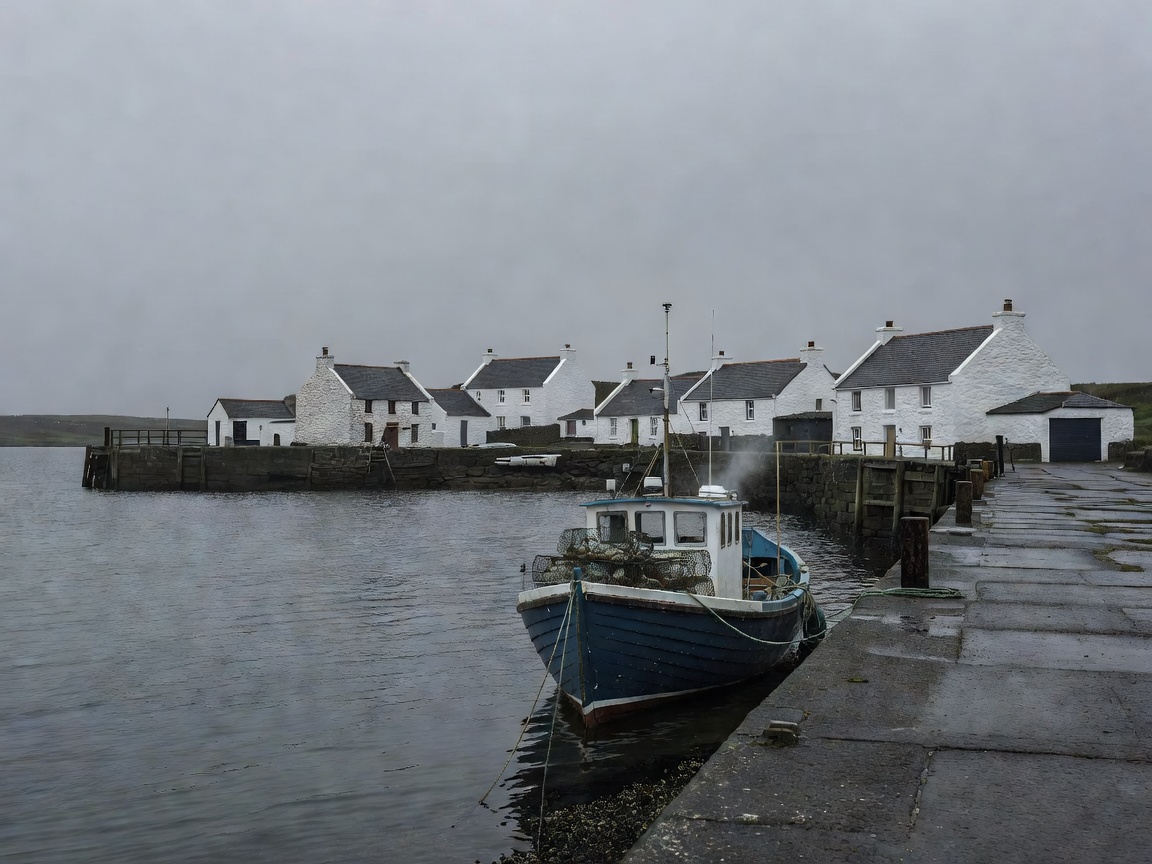
Pierowall pier on Westray with a fishing boat alongside under grey Orkney lightOrkney

Westray, Scotland

Westray

Pierowall offers a sheltered bay and a working pier in Orkney's north isles. Neolithic sites, puffin cliffs at Castle o'Burrian and the famously short flight to Papa Westray give the island a strong sense of place. The surrounding firths carry powerful tidal streams; passage timing deserves careful study.

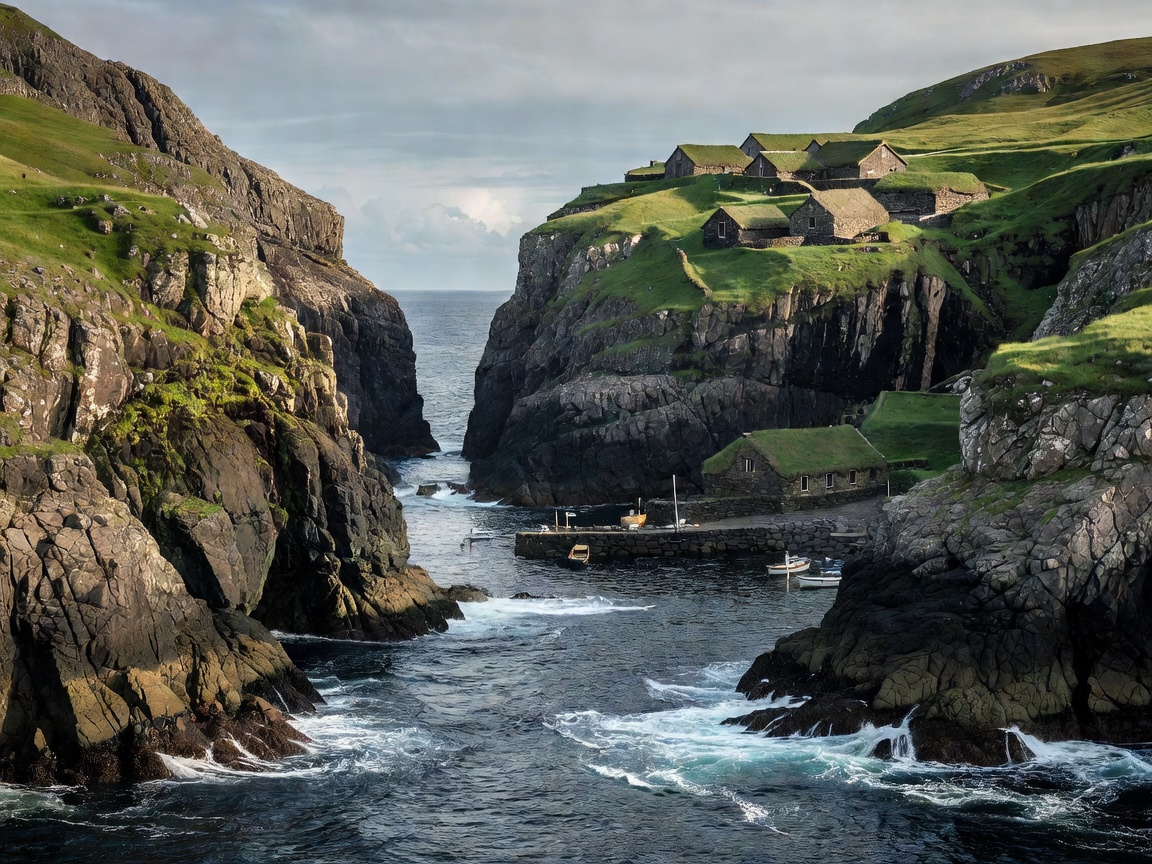
The narrow sea gorge at Gjógv in the Faroe Islands with turf-roofed houses on the slopes aboveNorth Atlantic

Faroe Islands

The Faroes

Eighteen steep islands linked by tunnels, ferries and strong tides. Tórshavn provides services; smaller villages such as Gjógv, with its sea gorge, are best appreciated ashore. Weather changes fast, fog is common and the fishing industry takes priority in every harbour.

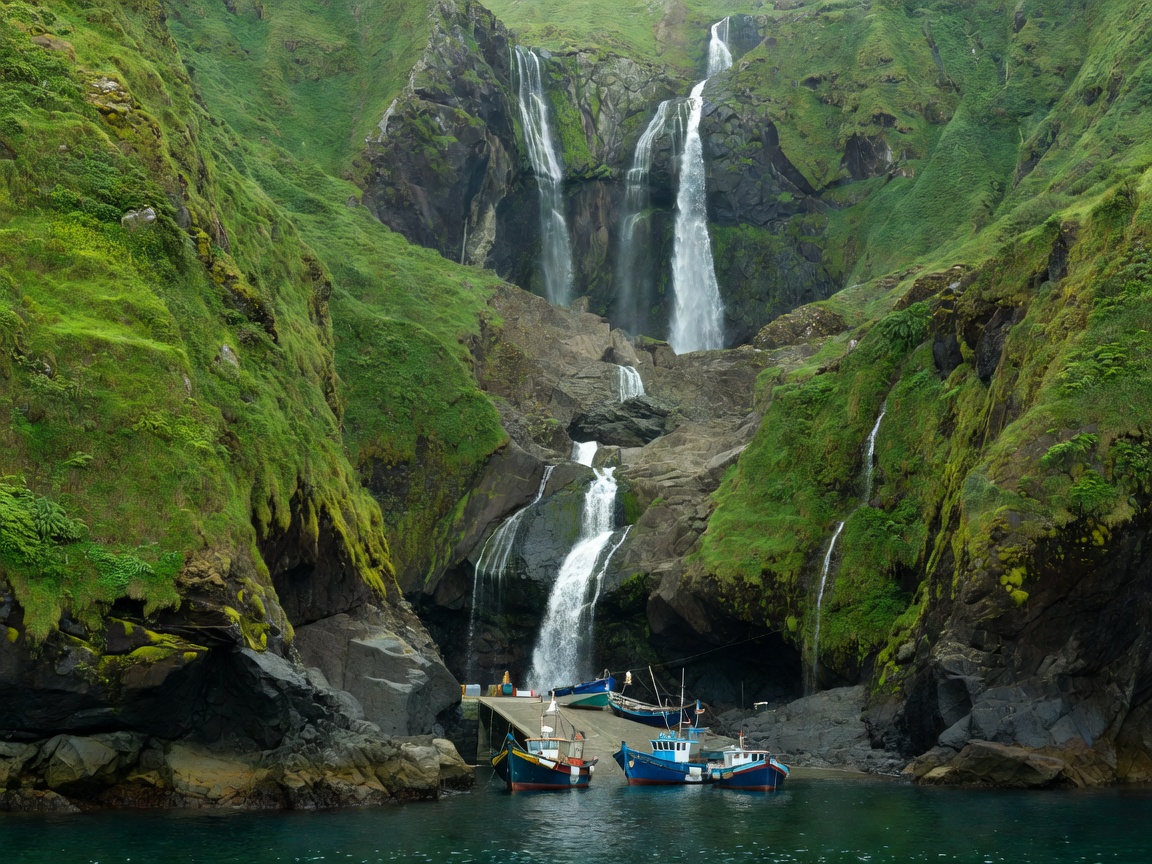
Lajes das Flores harbour beneath green cliffs with fishing boats drawn up on the slipwayAzores

Flores, Portugal

Flores

The westernmost island of the Azores, known for waterfalls and crater lakes. The small harbour at Lajes das Flores welcomes visiting yachts in suitable conditions, but Atlantic swell can make it uncomfortable. Many crews sail on from Horta on Faial, the archipelago's best-known yachting port.

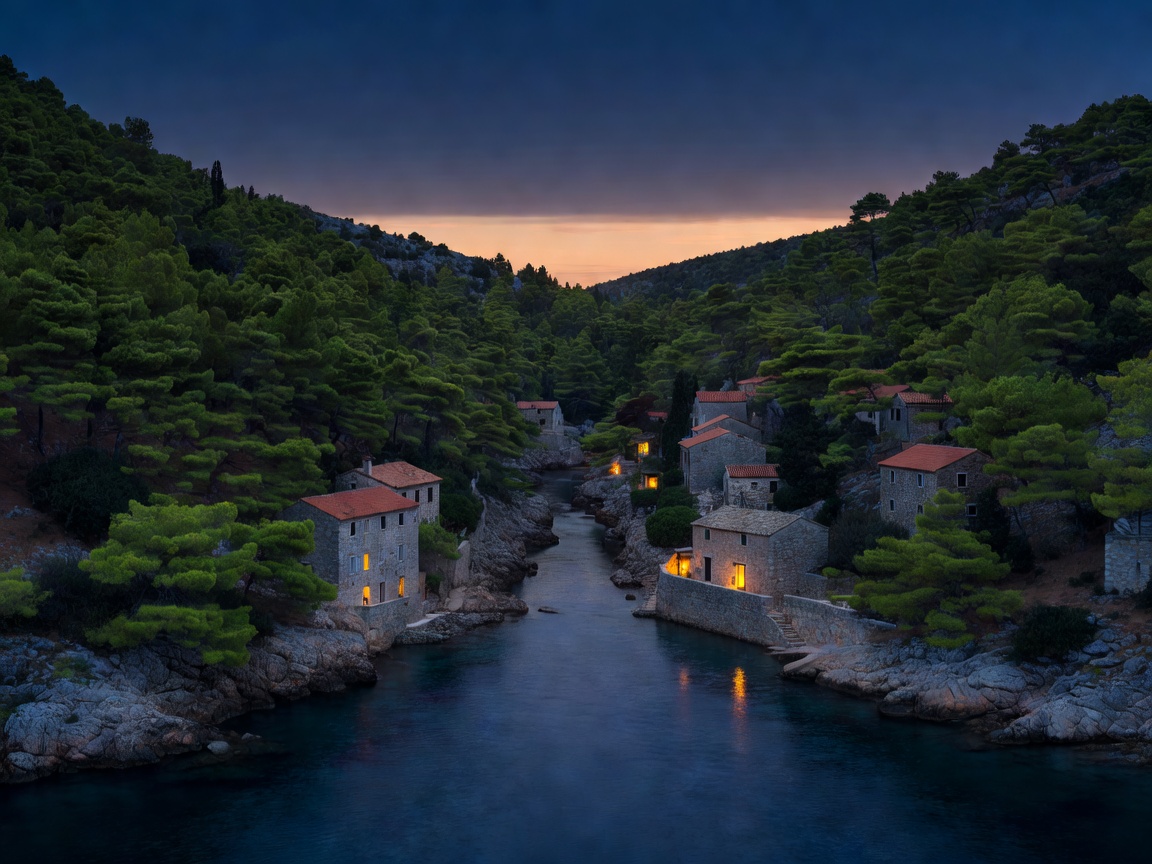
Skrivena Luka bay on Lastovo at dusk with pine slopes and a few lit housesAdriatic

Lastovo, Croatia

Lastovo

Like neighbouring Vis, Lastovo was long a military zone closed to foreign visitors. Today it is a nature park with fees, protected zones and a small, proud community whose hilltop town faces inland — historically away from pirates. Bays such as Skrivena Luka offer shelter; respect park rules on anchoring.

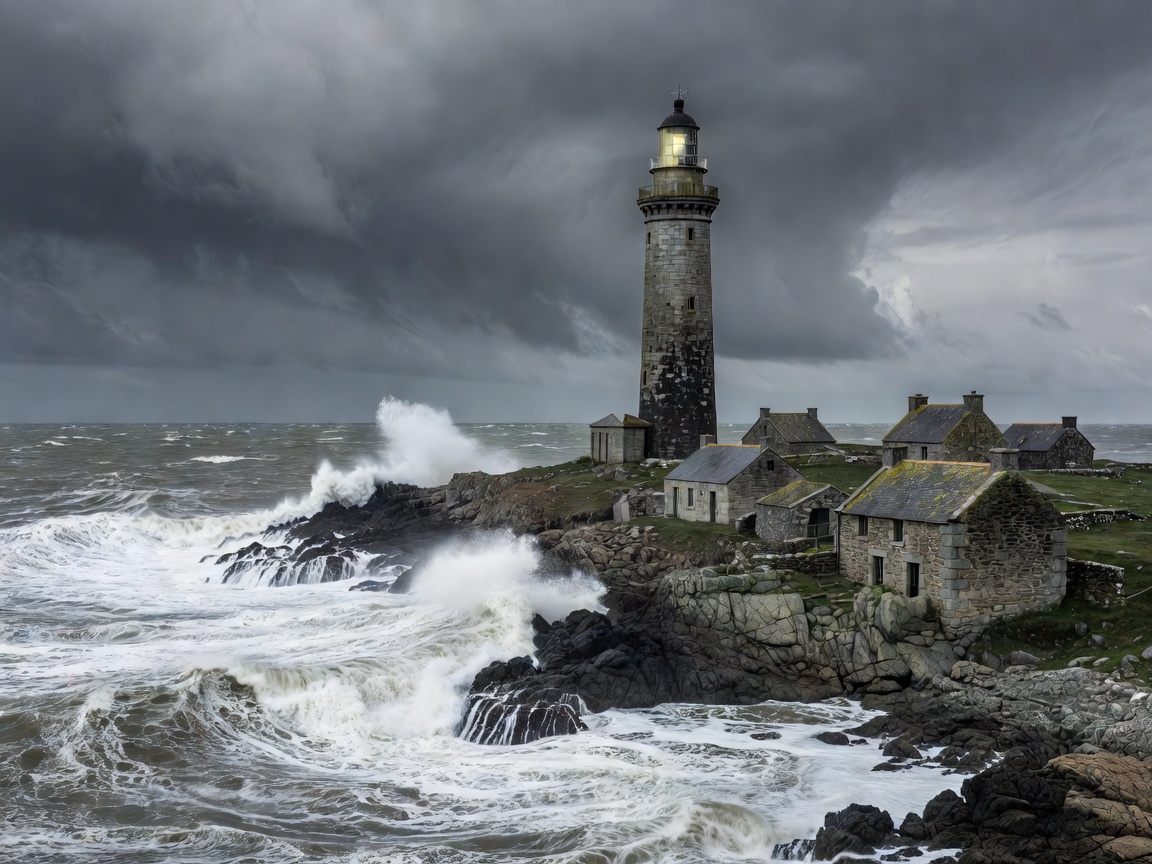
The Créac'h lighthouse on Ouessant above a rough grey sea with low stone houses nearbyBrittany

Ouessant, France

Ouessant

Ushant marks the corner of Europe for many sailors, with the Créac'h lighthouse sweeping a famously busy shipping approach. Lampaul bay gives seasonal shelter in settled weather. Strong tides and fog in the surrounding waters make this a destination for well-prepared crews only.

How to assess remoteness

Remoteness is practical, not romantic. Before committing to an island, build a quiet picture of what it can and cannot provide — and of your options if the forecast turns.

Recognised sources include the Clyde Cruising Club Sailing Directions for western Scotland, the RCC Pilotage Foundation's Atlantic Islands, Imray's Adriatic pilots and the annual Reeds Nautical Almanac. Use the most recent editions and supplements.

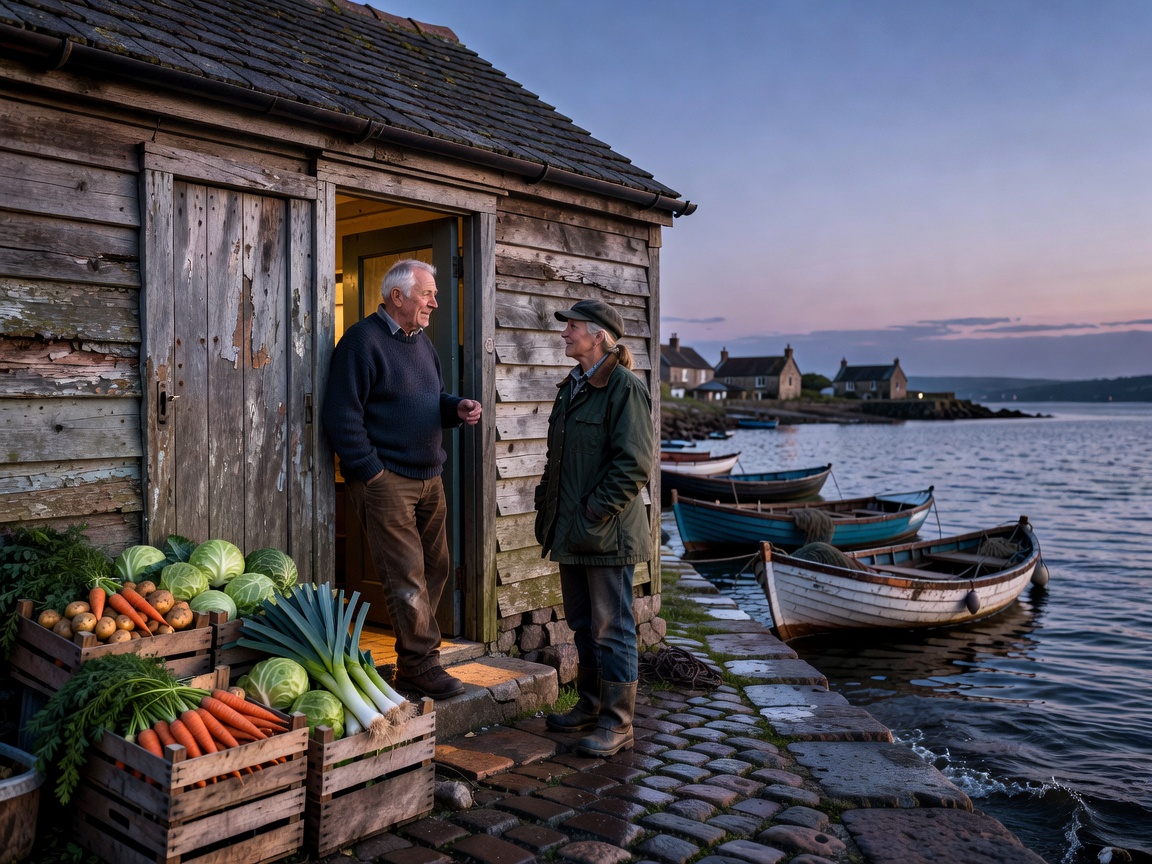
A small island village shop beside the quay at dusk, with crates of vegetables outside and a resident chatting at the door
The village shop often serves the whole island; buy thoughtfully.

Editorial guide only. Nothing on this page is pilotage information. Conditions, regulations and facilities change; always rely on current official charts, pilot books, notices to mariners and local authorities.